Is an Air Cooler Better Than an AC?
News Details
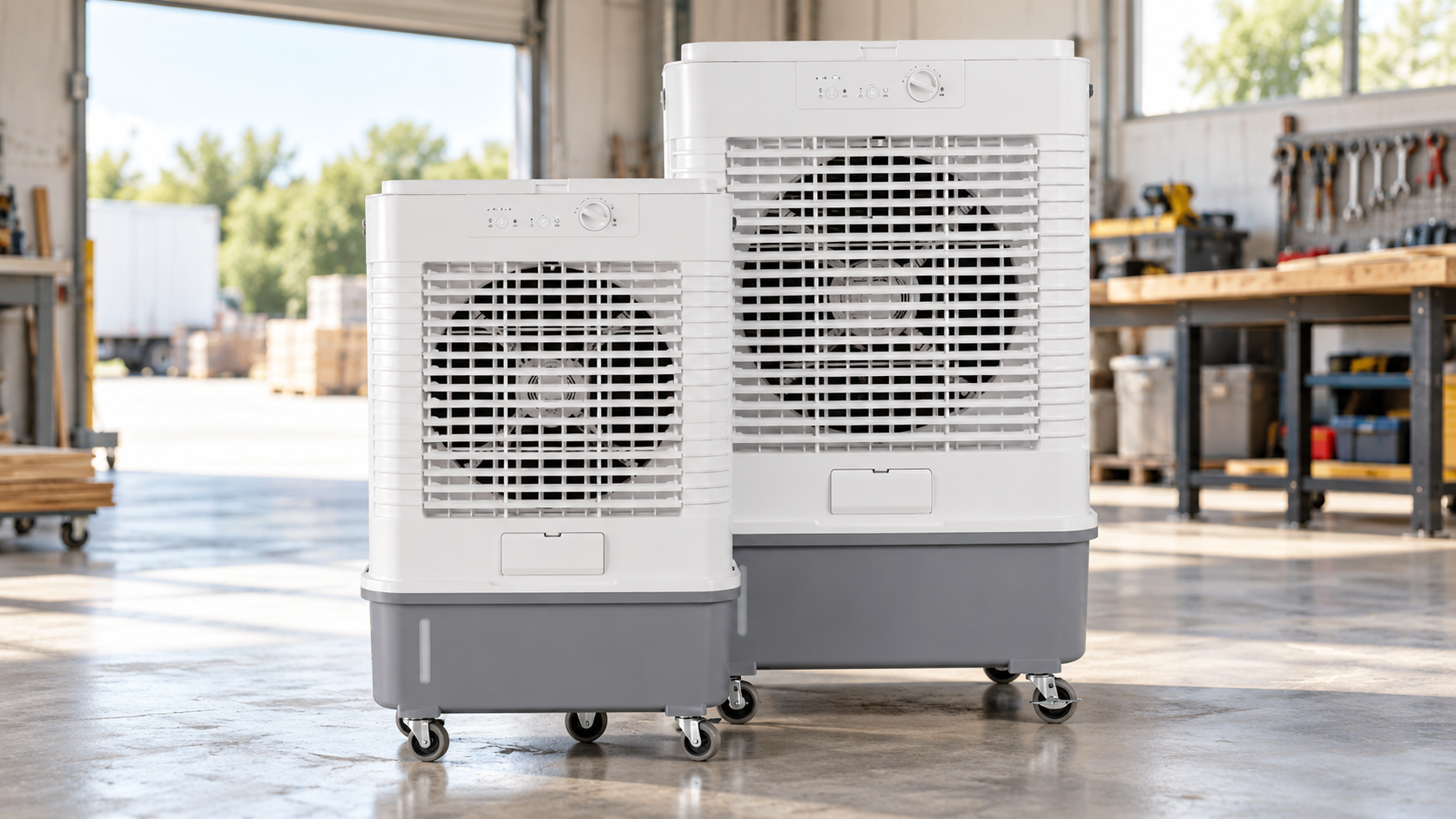
An air cooler can be better than an AC when you need simple, flexible cooling in a dry, well-ventilated space. However, AC is usually the better choice for humid weather, closed rooms and steady temperature control.
The right choice depends on your climate, room layout and daily needs. A low purchase price matters, but so do power use, water use and upkeep.
This guide compares both options and explains where a LEBON evaporative air cooler can fit.
How Does an Evaporative Air Cooler Work?
An evaporative air cooler uses water and moving air to provide cooling. A pump wets the cooling pads. Then, a fan pulls warm air through them. As some of the water turns into vapour, it takes heat from the air.
The result is cooler airflow with added moisture. Therefore, this method works best when the incoming air is dry. As humidity rises, the cooling effect becomes smaller.
You may also see this product called an air evaporative cooler or an air cooler fan.
A standard fan mainly moves air to help you feel cooler. An evaporative cooler can also lower the temperature of the air passing through its wet pads.
AC works differently. It uses a refrigerant system to move heat outside. It also removes moisture during normal cooling, which makes it more suitable for humid rooms.
Air Cooler vs AC: What Are the Main Differences?
| Feature | Evaporative air cooler | Air conditioner |
|---|---|---|
| Cooling method | Water evaporation | Refrigerant cycle |
| Best conditions | Hot, dry air | Dry or humid weather |
| Effect on humidity | Adds moisture | Removes moisture during cooling |
| Ventilation | Needs fresh air and an exit path | Usually works best with doors and windows closed |
| Temperature control | Depends strongly on local conditions | Better control of a set temperature |
| Setup | Portable models need power and water | Depends on the system; may need installation or an exhaust hose |
| Routine care | Tank, pads, pump and air inlets | Filters, coils, drainage and system servicing |
Neither option is best for every site. Instead, match the cooling method to the space.
When Is an Air Cooler Better Than an AC?
In dry weather: Water can evaporate more easily in dry air. As a result, an evaporative cooler can offer useful cooling without a compressor.
In spaces that stay open: Workshops, loading areas and some shops have doors that open often. Keeping these areas sealed for AC may be difficult. With suitable weather and airflow, evaporative cooling can be a practical option.
When cooling needs to move: A mobile cooler can direct airflow towards a workbench, service counter or seating area. This makes it useful when people work in different parts of a building.
When you want a simple setup: Many portable models avoid the fixed installation needed for split AC. However, they still need a suitable power supply, water and ventilation.
For example, a workshop may need relief around occupied work areas rather than a fixed temperature across the whole building. In this case, mobile cooling may suit the task.
When Is AC the Better Choice?
AC is generally better when moisture control and a steady indoor temperature matter most.
In humid weather, an evaporative cooler has less scope to cool the air. It also adds moisture. Consequently, it may not provide the comfort you expect in a damp, closed room.
AC is also more suitable for spaces that need controlled conditions, such as rooms storing moisture-sensitive goods.
Consider your target temperature as well. If you need a closed office to stay near a set point through changing weather, a correctly sized AC system is usually more dependable.
By contrast, an evaporative cooler’s outlet temperature changes with the incoming air conditions. It should not be expected to deliver the same temperature drop every day.
Air Cooler Price: What Should You Compare?
The air cooler price is only one part of the cost.
Before buying, compare:
- Purchase cost: Check the model size, motor, controls and tank capacity.
- Setup cost: Include any plumbing, electrical work or ventilation changes.
- Power use: Compare rated input power and expected daily running hours.
- Water use: Allow for refilling, cleaning and any flushing needs.
- Maintenance: Check cooling pad prices and access to spare parts.
- Delivery: For trade orders, include packing, freight, duties and local delivery.
Evaporative cooling can cost less to install and run than refrigerant-based cooling in suitable conditions. However, water costs and maintenance still affect the total. Savings vary by climate, equipment and use.
For a useful LEBON quotation, share your room size, ceiling height, local climate and daily operating hours. Trade buyers should also provide the order quantity, voltage and plug type.
This gives you a clearer comparison than choosing on price alone.
Which LEBON Evaporative Air Cooler Fits Your Space?
LEBON manufactures portable evaporative air coolers for homes, shops, workshops and warehouses. Its range includes several options for different cooling needs.
MFC3600 and MFC6000: These mobile models serve domestic and commercial spaces. They use three-sided air intake and an integrated water distribution system. The two models offer different tank capacities and operating power.
EC3820 and EC4520: These units combine manual controls with four metal casters. They offer a compact format for homes, shops and other commercial areas.
EC5324D: Designed for commercial and industrial use, this model has a brushless DC motor, three-sided air intake and a 75-litre water tank. Heavy-duty casters support flexible placement.
MFC12000D and MFC18000D: These larger models use 24-inch and 30-inch fans, respectively. They feature brushless DC motors, seven speed settings and large water reservoirs for commercial and industrial applications.
Choose by working conditions rather than fan size alone. Airflow, humidity, heat sources and the distance to the people being cooled all matter.
How Can You Get Better Results from an Air Cooler Fan?
First, give the cooler access to fresh air. Then, provide a clear route for warm, moist air to leave. Running it in a sealed room can cause humidity to build up and reduce cooling performance.
Next, keep the intake clear. Placing a unit tightly against a wall can restrict airflow.
Also, clean the tank and cooling pads as directed in the manual. Mineral deposits and dirt can reduce performance. Drain and clean the unit before long periods of storage.
Finally, direct airflow towards the occupied area. A large tank can extend the time between refills, but it does not guarantee stronger cooling.
Is an Air Cooler Better Than an AC for Your Business?
Choose an evaporative air cooler when your climate is dry, ventilation is available and flexible cooling suits the job. Choose AC when you need moisture removal and close control of indoor temperature.
For some businesses, each system can serve a different area. An enclosed office may need AC, while a ventilated workshop may suit mobile evaporative cooling.
To explore the options, contact LEBON. Share your space details, climate and cooling goals to discuss a suitable model and request an air cooler price quotation.


