Do Evaporative Coolers Actually Cool the Air?
News Details
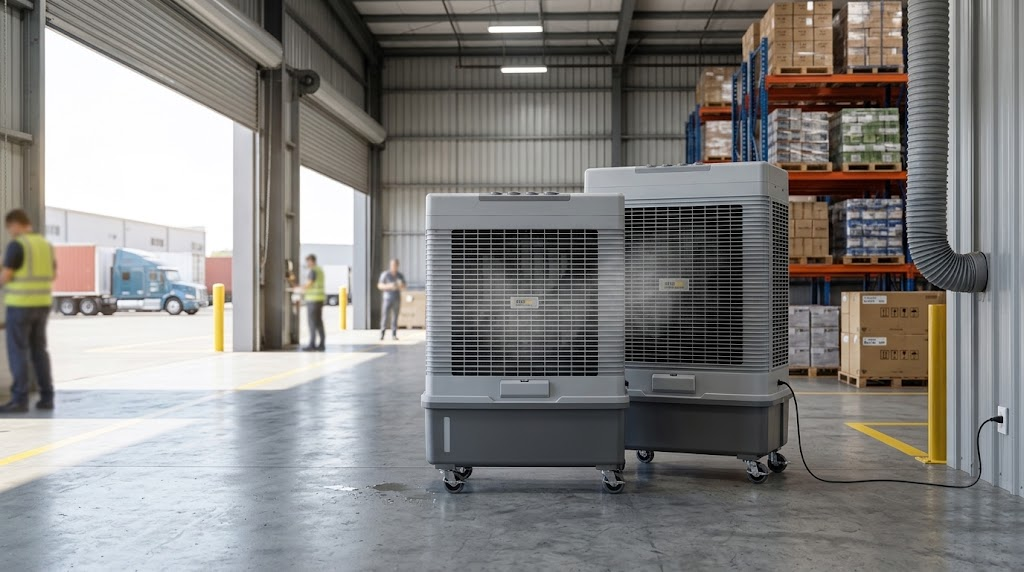
When hot weather hits, staying cool inside large buildings or open spaces can feel like an uphill battle. Standard air conditioners use a lot of power and can cost a fortune to run during peak summer months. Because of this, many managers and business owners ask: do evaporative coolers actually cool the air?
The short answer is yes, they absolutely do! However, they lower temperatures using natural science rather than chemical refrigeration. Brands like LEBON engineer powerful systems designed to bring down temperatures quickly and efficiently. In this article, we will break down how these units work, where they work best, and how to pick the right model for your needs.
How Evaporative Coolers Lower Air Temperature
To understand how these units cool, it helps to think about how water cools your skin on a windy day. When moisture evaporates, it absorbs surrounding heat energy. An Industrial Evaporative Air Cooler applies this exact same rule on a larger scale.
Inside the machine, a water pump wets thick honeycomb cooling pads. At the same time, a high-power fan pulls warm air from the surrounding area and forces it through these wet pads. As the warm air passes through, the water absorbs the heat and evaporates. As a result, the unit releases a steady stream of fresh, chilled air.
Unlike traditional air conditioners that recirculate stale indoor air, these systems constantly draw in fresh air. They lower the actual air temperature by several degrees while creating a gentle, fresh breeze.
The Power of Large Industrial Evaporative Coolers
In big venues like warehouses, factories, auto shops, and agricultural facilities, traditional air conditioning is rarely practical. Open loading docks and high ceilings allow cold air to escape instantly. This is where large industrial evaporative coolers shine.
These heavy-duty machines deliver massive airflow to cover hundreds of square meters at a fraction of the operating cost. By using a durable portacool evaporative cooler design, heavy industry venues can protect workers from heat stress without spiking monthly electric bills. Because these units consume up to 80% less power than compressor-based AC units, they offer a smart, eco-friendly way to keep big spaces safe and productive.
Mobile and Portable Cooling Options
Not every space requires permanent rooftop installation. In fact, many businesses need flexible cooling that moves wherever work happens. Choosing a mobile evaporative cooler gives you total freedom to spot-cool hot spots on demand.
So, how do these flexible units perform across different setups?
Using a Portable Evaporative Cooler Indoor
When running a portable evaporative cooler indoor, proper airflow is essential. Because these units add moisture to the air during the cooling process, you must keep windows or doors open. This continuous airflow allows fresh air to enter while pushing humid air outside, keeping the room fresh and comfortably cool.
Mobile Evaporative Air Cooler for Workshops
A mobile evaporative air cooler built on sturdy wheels allows staff to move cooling power right next to assembly lines or equipment racks. You can simply roll it over, fill the water reservoir, plug it into a power outlet, and turn it on.
When searching for reliable porta coolers for sale, look for durable housings and heavy-duty casters. LEBON builds portable models designed to endure tough commercial and industrial environments without wear and tear.
Performance in Different Climates
A common question buyers ask is whether these units perform well in damp conditions. When considering an outdoor air cooler for humid climate applications, performance depends on ambient humidity levels.
Evaporative cooling works at maximum efficiency in dry, hot conditions because dry air absorbs moisture rapidly. In high-humidity conditions, evaporation slows down, which slightly reduces the temperature drop. However, even in humid weather, a high-velocity fan combined with wet cooling pads creates a strong wind-chill effect. Outdoors or in semi-open spaces like patios, dining decks, and open bays, a heavy-duty cooler still delivers a refreshing breeze that keeps people comfortable.
How to Use a Mobile Evaporative Cooler for Best Results
Knowing how to use a mobile evaporative cooler correctly ensures you get the maximum temperature drop from your machine:
-
Position near fresh air: Place the rear of the unit near an open door or window so it pulls in fresh air from outside.
-
Fill with cold water: Fill the tank with clean, cold water. Adding ice or ice packs can make the outgoing airflow even colder.
-
Pre-wet the pads: Turn on the water pump for two to three minutes before starting the fan. This ensures the cooling pads are fully soaked right away.
-
Maintain open ventilation: Always keep exhaust pathways open so air flows out freely rather than trapping humidity inside.
Conclusion
So, do evaporative coolers actually cool the air? Yes! By leveraging the natural power of water evaporation, an Industrial Evaporative Air Cooler lowers air temperatures effectively while saving energy. Whether you are browsing industrial evaporative coolers for sale for a factory or selecting a portable unit for a local workspace, LEBON offers top-quality cooling solutions built to perform. Explore our durable, energy-saving models today and keep your environment cool all summer long!


