Workshop Air Coolers: Planning for Hot Working Areas
News Details
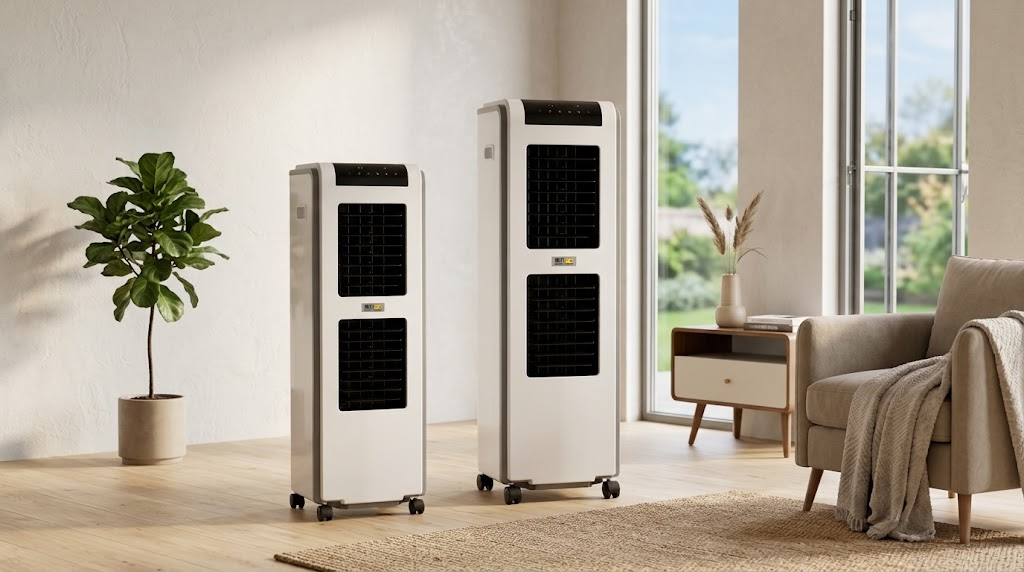
Hot industrial spaces present serious challenges for daily operations. High heat reduces worker comfort, lowers focus, and can even slow down machinery. Standard air conditioning systems are often too costly to run in massive, open structures. Because of this, plant managers need smart and energy-efficient cooling setups.
Proper cooling design makes a huge difference in worker safety and daily output. When you plan early, you keep your team cool without spending too much money.
Understanding Heat Problems in Industrial Spaces
Before you choose a cooling system, you must know where the heat comes from. Industrial buildings get hot for several reasons:
-
Heavy Machinery: Equipment like injection molding units, heat-treating ovens, and welding rigs output continuous heat.
-
Sunlight on Large Roofs: Wide metal roofs collect heat all day and radiate it straight down onto your workers.
-
Poor Air Flow: High ceilings often trap hot air inside the building without a clear way out.
-
Open Loading Bays: Large open doors let hot outdoor air drift inside freely.
Because heat gathers quickly, standard fans just push warm air around. You need specialized cooling equipment that actively lowers the air temperature while keeping fresh air moving.
Why Pick an Evaporative Workshop Air Cooler?
An evaporative Workshop Air Cooler brings cold, fresh air into large open spaces using natural water evaporation. Water cools the incoming warm air as it passes through thick wet pads, pushing a fresh breeze right across your workspace.
Here is why evaporative units work so well for industrial sites:
-
Low Energy Use: Evaporative cooling uses up to 80% less power than typical compressor-based air conditioners, helping you lower utility bills.
-
Great for Open Spaces: These units work best in open or semi-open spaces where doors remain open for loading and unloading.
-
Continuous Fresh Air: Instead of recirculating stale indoor air, the cooler introduces crisp, filtered outdoor air into the facility.
Choosing the Right Factory Air Cooler
Every factory layout is different. Selecting the right Factory Air Cooler depends on your plant size, ceiling height, and layout.
Fixed Roof or Wall Units
Fixed cooling units install on exterior walls or roofs. They bring fresh outside air through ducts and spread cold air across wide spaces evenly. These units suit full-coverage cooling across large, uniform areas.
Mobile and Spot Coolers
If your team works in specific areas, mobile units offer great flexibility. You can roll a heavy-duty portable unit right up to high-heat assembly lines or repair stations. This lets you direct cold air exactly where your staff needs it most without cooling unused space.
Sizing Your Production Floor Air Cooler
To keep your staff cool, your Production Floor Air Cooler must move enough air for the space. Airflow is measured in CFM (Cubic Feet per Minute) or CMH (Cubic Meters per Hour).
Follow these steps to estimate your needs:
-
Calculate Building Volume: Multiply your floor length by width, then multiply by the ceiling height.
-
Determine Air Exchanges: Industrial workshops usually need 20 to 30 complete air changes per hour to push heat out effectively.
-
Account for Internal Heat: Add extra cooling capacity if your workspace has hot machinery or high worker density.
Working with an experienced provider like LEBON helps you calculate exact requirements so you avoid buying underpowered units.
Key Steps to Plan Your Cooling Installation
Planning carefully ensures your cooling equipment delivers maximum relief when summer hits.
1. Identify High-Heat Zones
Map out your shop floor first. Mark areas where workers stand all day and highlight machinery that creates high heat. Focus your primary cooling power on these high-traffic work zones.
2. Ensure Proper Exhaust Ventilation
Evaporative air coolers need fresh airflow to operate effectively. As the cooler pushes cold air inside, warm air must exit through open windows, doors, or exhaust fans. Without proper exhaust pathways, humidity will build up and reduce cooling performance.
3. Plan Power and Water Supplies
Industrial cooling units need a steady water supply to keep their cooling pads wet. Make sure you have water pipes or high-capacity storage tanks ready. Also, verify that your electrical outlets match the voltage requirements of your selected models.
4. Schedule Routine Maintenance
To keep your units running smoothly, check them regularly:
-
Clean or replace cooling pads when dirt builds up.
-
Flush water tanks to prevent mineral scale deposits.
-
Inspect fan belts, motors, and water pumps before peak summer heat arrives.
Upgrade Your Workspace with LEBON
Cooling a hot production area does not have to be complicated or expensive. LEBON offers a wide range of reliable evaporative air coolers and industrial fans built specifically for tough working environments. Whether you need fixed roof setups for an entire facility or mobile spot cooling for busy workbenches, LEBON delivers durable, energy-efficient solutions designed to keep your workforce safe, comfortable, and productive all year round.


