Swamp Cooler Maintenance Tips
News Details
Why Maintenance Matters for Evaporative Coolers
An evaporative air cooler works with water, and that is exactly why routine care is part of normal operation rather than an occasional chore. Dust, mineral deposits, and stagnant water collect naturally in the tank, pump, and cooling pads. Left alone, they gradually reduce airflow, lower the cooling effect, and eventually cause odors or pump faults — long before the unit itself wears out.
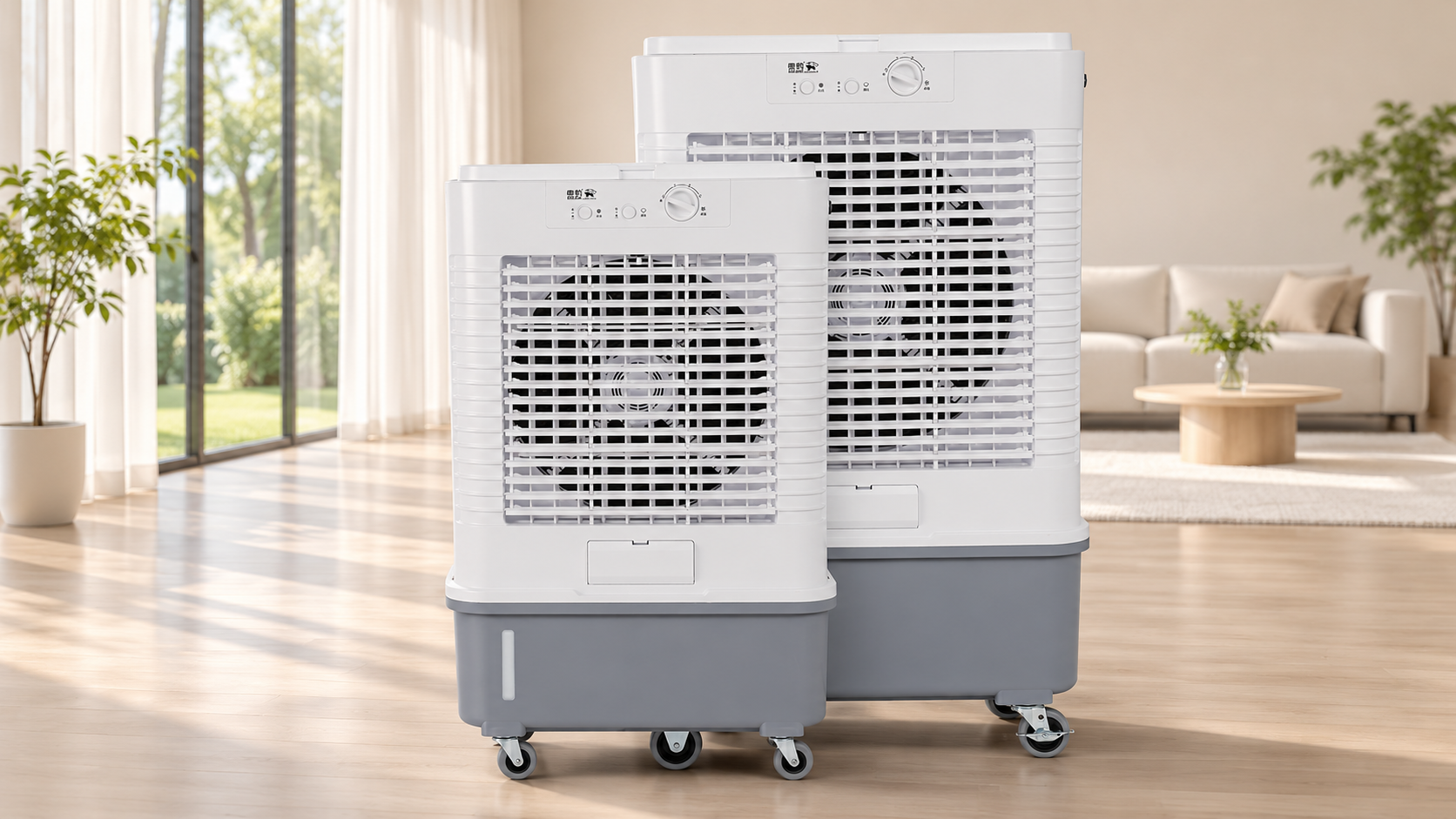
The upside is that evaporative cooler maintenance is straightforward. The pads, tank, pump, and air intakes are the only parts that need regular attention, most tasks need no special tools, and a small amount of scheduled care keeps a unit delivering cool, fresh air season after season. Ningbo Lebon Mechanical & Electric Technology Co., Ltd. (LEBON) builds its coolers with integrated water distribution systems and accessible intake panels, which makes these routine tasks easier — always follow the model's own manual for the exact steps and approved cleaning products.
Regular Cleaning: Tank, Housing, and Air Intakes
Water should never sit in the tank indefinitely. Emptying and refilling the tank on a regular schedule — daily to every few days during heavy use — keeps water fresh and prevents the stagnant conditions where algae and bacteria develop. When the tank is emptied, a quick wipe with a soft cloth and a mild cleaner removes the film that builds up on interior surfaces; avoid abrasive pads that can scratch plastic tanks.
Air intakes and grilles collect dust steadily, especially in dusty sites such as woodworking shops, textile workshops, or grain storage areas. Cleaning the intake guards and exterior housing with a soft brush or cloth keeps air flowing freely into the unit. LEBON's three-sided air intake design pulls air through more surface area, so keeping all intake sides clean protects the cooling effect. Before any cleaning, switch the unit off and unplug it.
Cooling Pad Care and Replacement
The cooling pads are where the actual cooling happens, so their condition directly controls performance. Inspect the pads regularly during the season: look for dust loading, mineral scale, compression, tears, or any musty smell that cleaning does not remove.
Light dust comes out with a gentle rinse in clean water; let the pads air dry before reinstalling. Scale and residue that rinsing cannot shift usually mean the pad is due for replacement — a clogged or mineral-coated pad restricts airflow and quietly shrinks the temperature drop even while the fan and pump run normally. Replacement intervals depend on running hours, dust levels, and water hardness, so treat inspection as the trigger rather than the calendar. Ordering spare pads with the original shipment keeps downtime short when replacement is due.
Water Pump Maintenance
The pump lifts water from the tank and feeds the distribution system that wets the pads, so a failing pump shows up quickly as dry pads and weak cooling. A simple routine keeps it healthy: with the tank filled, run the pump and confirm water is circulating evenly across the pads; listen for unusual noise; and check that the pump intake area is free of debris or sediment.
In hard water areas, mineral buildup inside the pump and water lines is the main risk. A periodic descaling cycle — using a descaling product or diluted solution approved for the appliance, following the manual's instructions — keeps the pump and distribution system flowing properly. LEBON's integrated water distribution system is designed to spread water evenly across the cooling media, and even distribution is the visible sign that the pump side of the system is healthy.
Dealing with Mineral Buildup in Hard Water Areas
Hard water leaves calcium and mineral deposits on everything it touches: pads, tank walls, the pump, and the distribution lines. In hard water regions, scale is the single most common maintenance issue for evaporative coolers.
Three habits keep it under control. First, drain and refresh the tank regularly instead of repeatedly topping up old water, which concentrates minerals. Second, descale the tank, pump, and lines periodically with an approved cleaner, then rinse thoroughly. Third, inspect the pads for scale and replace them when deposits can no longer be rinsed away. Some operators in very hard water areas also use filtered water to slow scale formation — the trade-off is higher operating cost, so the choice depends on local water quality and usage intensity.
Preventing Odors and Mold
Musty smells almost always trace back to stagnant water or pads that stayed damp and dirty for too long. Prevention is mostly a hygiene routine: fresh water on schedule, pads that are cleaned or replaced when they look or smell tired, and a tank that gets emptied rather than endlessly topped up.
Ventilation helps as well. An evaporative cooler adds moisture to the air by design, so the space needs an airflow path — open doors or windows — that carries moist air away. Running the unit in a sealed room not only reduces the cooling effect but also lets humidity accumulate, which encourages the very mold and mildew problems maintenance is meant to prevent. If a porous pad remains smelly after cleaning, replacement is more practical than repeated washing.
Preparing Your Cooler for Seasonal Storage
Where the cooling season has a clear end, shutdown is the moment that decides how the unit starts next year. The routine is simple: unplug the unit, drain the tank, pump area, and any drain lines completely, then clean the tank and pads so the unit is stored clean rather than dirty.
Everything should dry fully before storage — damp pads and closed tanks are what create mold and corrosion over the off-season. Store the unit upright in a dry place, protected from freezing temperatures and dust, and leave the power cord loosely coiled. Before the first use of the next season, inspect the cord, plug, casters, and intake panels, rinse or replace the pads if needed, refill with clean water, and run a short test to confirm the pump wets the pads evenly.
Troubleshooting: When an Evaporative Cooler Is Not Cooling
Weak cooling usually has one of a few familiar causes, and most are maintenance-related. Work through them in order:
- Low water level. The pads cannot stay wet without enough water in the tank; refill and check for leaks.
- Dry or clogged pads. Scale or dust on the pads blocks evaporation; rinse or replace them.
- Pump not circulating. Check that water is reaching the distribution system; clean the pump intake or descale if mineral buildup is suspected.
- Blocked air intakes. Dust-loaded grilles starve the unit of airflow; clean all intake sides.
- High humidity or poor ventilation. Evaporative cooling depends on dry air and an exit path for moist air; a cooler running in a sealed, humid room will always underperform.
If the pump or motor still fails after these checks, service or replacement parts are the next step. LEBON supplies spare parts with orders and supports buyers across Southeast Asia, the Middle East, South America, Europe, and Africa. For product manuals, model specifications, and service contacts, visit the LEBON website.


